
Why I Changed One Dot to Two
New research strengthens evidence that shingles vaccination reduces dementia risk

On my first day of medical school, the dean told us that half of what we were about to learn was wrong—but they didn’t know which half, so would test us on all of it. Science evolves constantly, and communicating degrees of certainty or uncertainty is a tough task. People appreciate straight answers and clear guidance, but clear answers are often hard to provide without overstating evidence or oversimplifying the issues.
Although some evidence suggested that getting vaccinated against shingles also lowers your risk of dementia, it wasn’t enough to be a slam dunk. New studies now offer stronger evidence. So how do we adjust our baseline thinking and recommendations when new information arises?
When I was writing The Formula for Better Health, I struggled with how to present the impact of various public health actions. I settled on a dot system and created an appendix table that grades the strength of evidence for actions such as keeping blood pressure under 120/80, avoiding tobacco products, getting at least 7 hours of sleep, and having strong social connections. One dot means some scientific evidence: a sound theory and at least one solid study. Two dots means strong scientific evidence: well-conducted studies, a plausible mechanism, and a consistent signal across different kinds of research in different contexts. Three dots indicate virtual certainty.
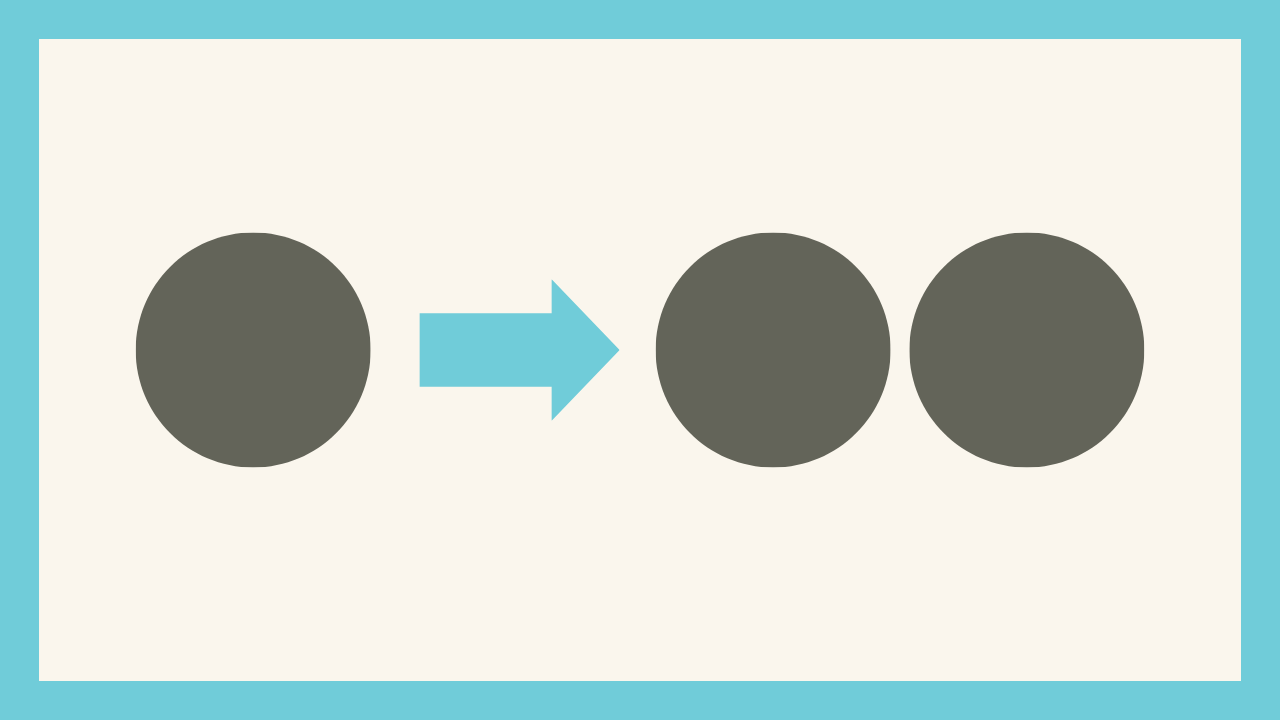
For shingles vaccination and dementia, the evidence has moved from possible to likely, from one dot to two. When the paperback version of my book is released on October 6, this change will be reflected.
How has the evidence changed?
Several countries rolled out shingles vaccination using date of birth to decide who was eligible. As a result, people born a week apart (all but identical in health, income, and habits), were in separate cohorts with different odds of being vaccinated. New observational studies were able to analyze the differences between each cohort. This unintended, artificial grouping works almost like a coin flip, removing the usual concern in similar studies about confounding factors, such as the possibility that healthier or more careful people get vaccinated more and would have avoided dementia anyway.
These date-of-birth experiments—in Wales, Australia, and Canada—all tested an older, live-virus vaccine (Zostavax), and each found that vaccinated people were less likely to develop dementia. The Welsh data was the most striking; it found the vaccine reduced the risk of dementia by roughly a fifth. Large studies of Shingrix, the updated vaccine most people receive now, point the same way, and, in some analyses even more strongly.
These new studies also point to what’s called “dose-response”—that more of something has more of an effect. For the shingles vaccine, evidence shows two doses reduce the risk of dementia more than one. And the benefit fades as protection against shingles fades.
No single study settles the question of whether the shingles vaccine reduces dementia risk, but when research from different countries, featuring different designs, and focusing on two different vaccines, all point to the same conclusion, we can be more confident iin it.
What are the implications?
Dementia is among the diagnoses people fear most, with no cure and few good treatments. If even part of this effect of the shingles vaccine on dementia is real, a shot many older adults already get could protect the mind at almost no added cost. And one thing that IS certain is that the vaccine reduces the risk of shingles, which can be extremely painful.
This is also a lesson about evidence. Many people, including many scientists, treat the randomized trial as the gold standard and describe everything else as second-rate. Randomized controlled trials (RTCs) are a superb tool, but only one kind of evidence. In my book I liken an RCT to a jackhammer: powerful, but the wrong instrument for fixing your eyeglasses.
RCTs take years, are expensive, and often can’t answer what matters most, including how long protection lasts, what happens over decades, and often can’t be implemented for rare diseases. A flawless trial can still mislead once the world changes; a messy observational study can land closer to the truth. Scientific rigor means weighing each study for what it shows, what it misses, whether it fits the question at hand, and how it relates to all other evidence.
That same judgment is why I stopped at two dots, not three. The strongest evidence—from the date-of-birth experiments—tested a vaccine we no longer use. The studies can’t yet distinguish true prevention from a later diagnosis; in other words, it’s not clear whether the vaccine can prevent dementia altogether or simply pushes back the onset of the disease. And it’s still possible that the evidence is wrong because of some quirk, such as the decrease of dementia over time. More evidence is needed, but in the meantime, we can be reasonably confident that shingles vaccination reduces your risk of dementia.
So if you’re 50 or older, get the shingles vaccine: Shingrix, two doses, two to six months apart. (You should also get it if you’re 19 or older if your immune system is weak.) The vaccine prevents what can be an extremely painful disease. And, more likely than not, it safeguards something we prize even more—our ability to age without loss of cognitive capacity.
That’s worth two dots—and the humility to watch what comes next.